

Romania is lagging about 1-2 years behind Bulgaria in the development of energy storage capacities due to flawed decisions regarding the issuance of technical grid connection approvals (ATR) and the lack of requirements for including storage capacity in publicly funded photovoltaic projects, interim Prime Minister Ilie Bolojan stated on Monday during a press conference at Victoria Palace.
He was asked why Romania lacks sufficient storage capacity for energy generated from renewable sourcessuch as solar energy produced during the dayforcing it to rely on imports.
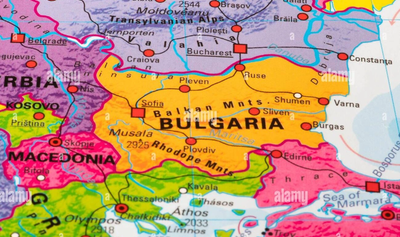
"Energy projects cannot be completed overnight, even though solar or storage projects are likely the quickest to implement. For years, we made decisions that I consider ill-advisedand I have explained thisregarding the issuance of technical grid connection approvals (ATR), effectively blocking or severely hindering access to the national energy system through the way these approvals were handled. For years, funding for photovoltaic parks was not conditional upon including storage capacity; there was simply no strategy in place for this. The dysfunctions surrounding grid connection approvals and the restricted access hampered projectsspecifically due to the lack of requirements mandating storage alongside solar installations when grants were awarded. We are lagging about one or two years behind Bulgaria, which possesses far greater storage capacity than we doallowing them to store energy during midday hours and sell the stored power in the evening," Bolojan explained.
The interim Prime Minister indicated that the measures adopted regarding technical grid connection approvals and support programs for storage investments will contribute to increasing energy storage capacity.
"It is estimated that, following the measures adopted regarding grid connection technical approvals (ATRs), all market-driven initiatives are feasible. Any remaining ATRs approaching their expiration dateunless backed by guaranteeswill be cancelled, thereby freeing up grid access capacity for generation. Meanwhile, the programs developed by the Ministry of Energyand I thank my colleagues present hereduring this period and in previous years support projects that incorporate storage (whether standalone or combined with photovoltaics), enabling us to increase our storage capacity," he added.
Due to the low flow rate of the Danube, Unit 1 of the Cernavoda Nuclear Power Plant was shut down in a controlled manner on July 28. The two units at the Cernavoda plant have a capacity of 700 MWe each and account for approximately 20% of Romania's total dispatchable generation.
Late last week, Romanian authorities declared a nationwide state of alert for the month of August due to a drop in electricity generation caused by drought and low water levels in rivers and the Danube.