



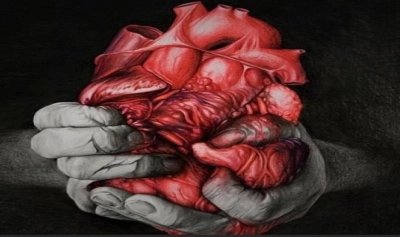


The Mavis Artificial Heart team of the 'Grigore T. Popa' University of Medicine and Pharmacy in Iasi is the recipient of the prize for "The Most Advanced Artificial Heart" in the October 29 grand finale of the first-ever Heart Hackathon - a worldwide student engineering and design contest for creating a working artificial heart.
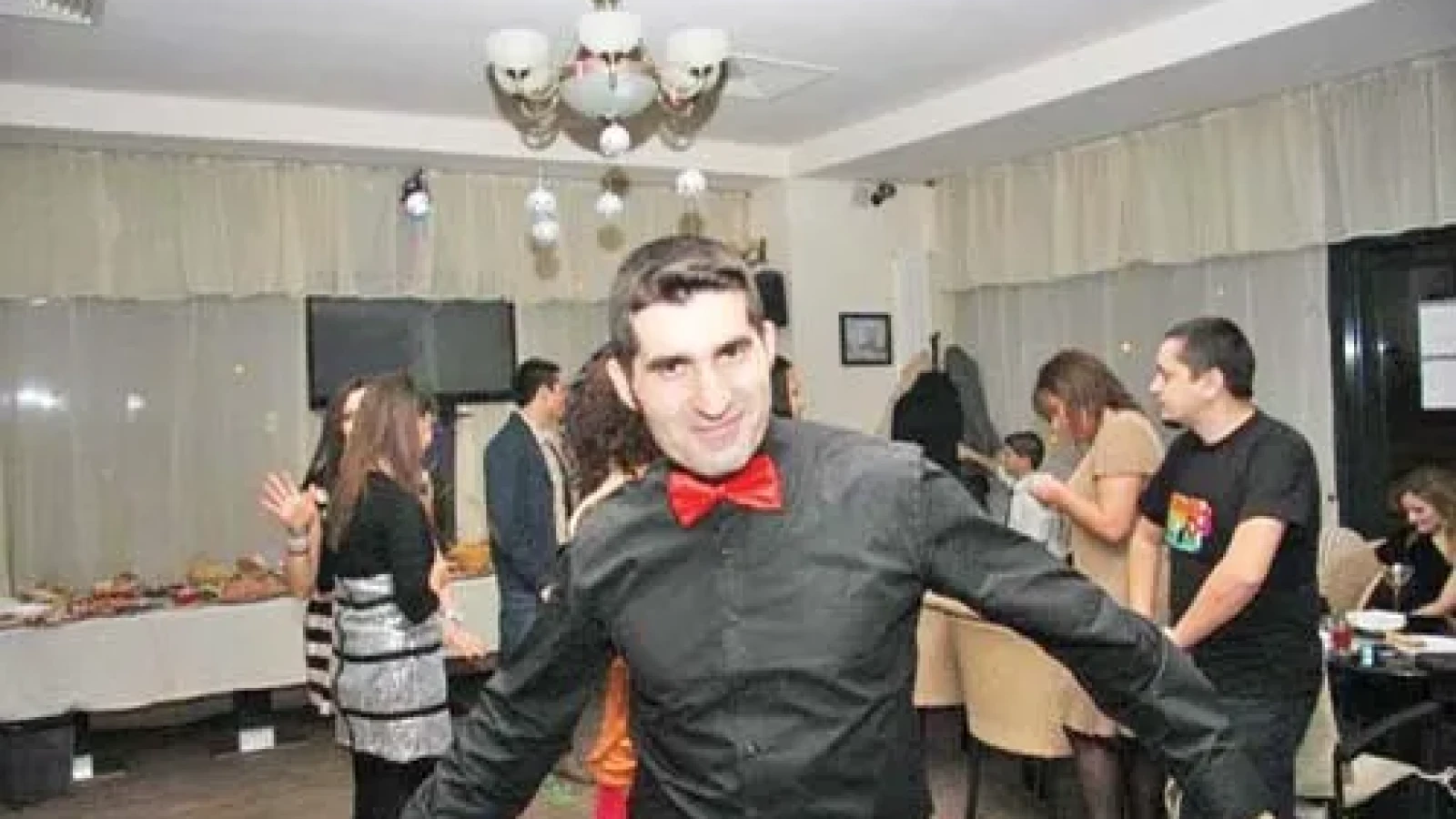
Robert Gatman, a student at the Bioengineering Faculty of the 'Grigore T. Popa' University, is one of the 30 students on the Mavis Technological Transfer Center team that conceived an artificial heart which - according to its creators - can work without interruption for as long as 100 years. Robert knows what suffering means, because at the age of two he was diagnosed with an aortic valve issue, had to fight for his life, and now he wants to help others discover hope.
"Subconsciously, you feel the drive to do something for people afflicted with cardiovascular diseases, the more so as I have experienced the problem from the patient's perspective and I want to help those in suffering," Robert Gatman confesses.
He doesn't see his own illness as a curse, but as a gift, because it made him stronger and put him in the position to help solve some widespread ailments.
At the age of 18 he underwent surgery at the Cardiology Institute in Chisinau, where his malfunctioning valve was replaced with a mechanical one. Following the successful operation, he now feels much better and his life has since taken a decisive turn.
"This experience has made me stronger and determined me to seek training in the cardiovascular field, as a bioengineer, and help people who suffer from such problems. The desire to get involved in cardiovascular science has been with me since forever. Initially I wanted to be a heart surgeon, but then I learned about the Bioengineering Faculty. I fancied medicine since a young age, but also realistic disciplines such as physics and mathematics. After my heart surgery, I decided that bioengineering is the perfect specialization for me," Robert Gatman declared for AGERPRES.

After just one year of faculty, Robert had the opportunity to get actively involved in medical research and became one of the students who work within the MAVIS Technology Transfer Center.
"With the help of the university, I learned certain things from scratch. It was hard work, I would stay at the Technological Transfer Center until 1:00 - 2:00 at night, but the feeling when we were awarded was extraordinary. I felt that our efforts had not been in vain. From the patient's perspective, it was the joy that we were taking the right steps, that our work is being put to use. Together with my colleagues, I helped develop a mechanical heart, a device that earned the appreciation of the experts and titans of cardiovascular equipment we met in Dallas, USA. Meanwhile, we have expanded our team with more volunteers. We now want to do tests with water and blood. After we optimize the pump, we want to switch to animal tests. I fully find myself at home in this field and I would like to continue working on the MAVIS artificial heart. I still have two years of university ahead," says Robert.
The MAVIS heart concept is fit for both children and adults, is made of titanium and has an electronic part that will be implanted under the skin. Powered wirelessly, the device has - according to its designers - a durability of over 100 years, unlike the existing devices that can last for just 6 months at the most.
Robert Gatman is convinced that AI will help bioengineering achieve in a few years certain peaks and goals one didn't even dream of a few years ago, and says that thanks to immunosuppressive drugs and non-invasive, wireless implanted medical devices, patients will be able to lead an as normal life as possible.
























Comentează