

Romanian consumers are experiencing high levels of anxiety driven by the intersection of geopolitical conflict and economic instability, but they are more concerned about health than the global average, according to a specialist study released on Thursday.
Rising concerns about war, safety and economic strain are taking up more of people's mental space, leaving them feeling worn down rather than disengaged on climate.
Kantar's survey Sustainability Sector Index 2026 of 13,000 people in 12 markets found that wars and conflicts (36%), environmental concerns (29%), the economy (28%) and crime and safety (20%) are consumers' top issues. And while there has been a drop in climate concern year on year, concerns about violence, politics, and corruption each grew over the same period.At the same time, 74% of respondents said they have tried or are open to try brands that have positive environmental or social impact (up 2%pts year on year), indicating that demand for more sustainable choices and lifestyles is still strong.
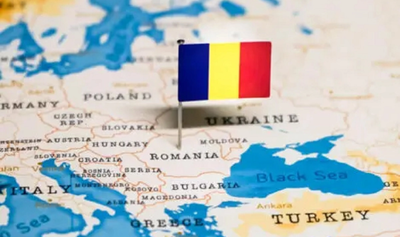
"The Romanian consumer is overwhelmed by the fear of war and economic instability. Romania has a massive concern about international conflicts and wars (58%), well above the global average of 36%. This reflects the region's geographical proximity and increased sensitivity to current tensions. While globally the economy is mentioned by 28% of people, in Romania this percentage is at a similar level (29%), but with a significant increase of +7 pp compared to the previous year, indicating an increasingly acute financial pressure on households. It is remarkable that Romanians are more concerned about health (20%) compared to the global average (14%), even if this concern has decreased slightly lately. Concerns about governance, corruption and social problems are growing slightly in Romania, indicating interest in civic and social responsibility," says Madalin Vladu, Brand & Sustainability Lead at Kantar Romania.
The study also reveals that there continue to be high levels of scepticism and concerns about greenwashing. Most people (57%) say they have seen, or heard, false or misleading information about sustainable actions taken by brands.
The sectors seen to be most guilty of greenwashing are big tech (63%), news (62%) and energy (60%).
"Big tech brands attract concerns around the social division that can be sowed by their products, such as by platforming misinformation and introducing algorithm biases to the content they show," according to Vladu.
While worries about greenwashing are pervasive, not all sectors are affected by sustainability concerns to the same extent. Included for the first time this year is the Consumer Sustainability Pressure Index, which shows where sustainability expectations are hardest for brands to ignore, based on where people's concerns are most widespread, varied, and intense.
AI tools are in the bottom three for climate risk, with 28% of respondents people globally unable to name a single sustainability issue connected with AI. The oil and gas, fast food and cleaning and homecare sectors are the top three sectors by this metric.


Included for the first time this year is the Consumer Sustainability Pressure Index, which shows where sustainability expectations are hardest for brands to ignore, based on where people's concerns are most widespread, varied, and intense.
Kantar is the world's leading AI-native marketing data and analytics business.