



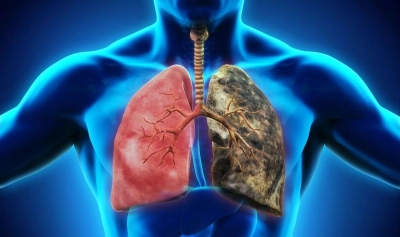


The Romanian Society of Pulmonology (SRP) has warned the public about the risks associated with the Respiratory Syncytial Virus (RSV), a highly contagious viral infection, with a major impact on respiratory health, especially among infants, the elderly and people with comorbidities.
SRP specialists claim that RSV can exacerbate chronic conditions and the infection can lead to acute myocardial infarction, stroke, asthma and COPD exacerbations, long-term decline in respiratory function.
"This is one of the viruses that affect the lower respiratory system, being the main cause of bronchiolitis and pneumonia among children under two years of age, but also affecting vulnerable adults, such as the elderly or people with comorbidities. The burden of severe RSV disease is comparable to influenza. Currently, we are in the midst of the RSV infection season, which has a maximum incidence in the autumn and winter months," according to SRP.
According to the World Health Organisation (WHO), worldwide, this virus is responsible for more than 33 million lower respiratory tract infections, of which about 3.2 million cases require hospitalisation, also causing more than 100,000 deaths annually, mostly among young children. In Romania, the number of hospitalisations due to seasonal respiratory infections has increased annually, with RSV being one of the major causes of respiratory morbidity.
SRP says that RSV infection is underdiagnosed in adults, as the physiopathology, clinical presentation and epidemiology of RSV infection contribute to the underdiagnosis of the disease.
They say that RSV severely affects children under the age of two, as well as people over 65 years of age, and those with respiratory diseases or compromised immunity.
"Symptoms usually begin with a common cold - fever, stuffy nose, slight cough - but in severe cases it can lead to breathing difficulties, decreased blood oxygen and respiratory failure, requiring emergency hospitalisation. Studies show that, for some children, the first episode of RSV infection can lead to an increased risk of asthma in the long term."


The Romanian Society of Pulmonology recommends preventive measures, especially in wintertime, such as rigorous hand hygiene, avoiding contact with sick people and avoiding crowded spaces.
Also, for vulnerable categories, RSV vaccination is an important protection measure, preventing severe complications and reducing the burden on the medical system.
"Prevention is the key to protecting vulnerable groups and reducing the impact of this seasonal virus on the healthcare system. Choosing to get vaccinated and implement appropriate hygiene measures can make a difference in preventing severe cases of disease, hospitalisations and even deaths," says Roxana Nemes, chair of the Romanian Society of Pulmonology.


























Comentează