



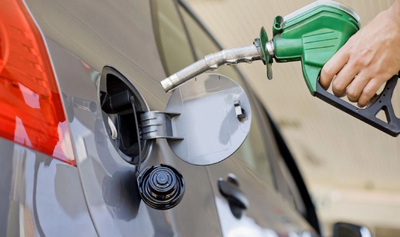


The most important thing on a market is competition, and in order to solve a crisis, you should cut what you collect, which is excise duties or VAT, Chairman of the Association of Energy Suppliers in Romania (AFEER) Laurentiu Urluescu told AGERPRES on Thursday.
"The most important thing is competition. In any market, whether we are talking about energy, whether we are talking about anything, it is competition that solves the most. When you enter the market (with capping measures, etc.) it can't turn out well and you don't solve the problem. So, to solve the problem, you cut off your appetite , that is, you cut what you collect from the final product, namely excise duties, VAT and so on, or you have some aid aimed at those who need it or those who, without help, would lead to a spread of inflation. There should be help for truly vulnerable consumers," Urluescu said.
He added that the state aid granted in the natural gas area is rather an effort on the part of energy producing companies.
"If it were on electricity, vulnerable consumers should also be helped, not everyone. In the oil area, the problem is with the one who delivers the final product to the consumer. On the natural gas side, the fact that gas is provided at a price below the market price from the supplier, automatically makes the supplier, adding its margin plus taxes, regulated tariffs, take the price quite low. That is, we expect it to be even below the ceiling of RON 0.31. I repeat, all help must be given to those who really need it. Everyone is beautiful, maybe it's pleasant for some, but I don't know if it makes sense to make an effort in this case. It is not an effort of the state, but an effort of the companies that give gas at a price well below the market price," said the chairman of AFEER.
The government is expected to approve, in Thursday's meeting, a draft emergency ordinance on the fuel crisis.
Prime Minister Ilie Bolojan and representatives of employers' associations had consultations on Wednesday on the intervention measures necessary to support the population and the economy amid increases in fuel prices as a result of the international situation.
The prime minister and Minister of Energy Bogdan Ivan presented during this meeting the draft ordinance that will prepare the intervention on the fuel market and will ensure the security of supply.
Bolojan said that the package of government measures will have as principles the sharing of costs between the Government, the private sector and citizens and the adoption of intervention solutions with minimal collateral effects in the market, transparent and easy to apply.

At the same time, the Social Democratic Party (PSD) in the ruling coalition asked the Executive to pass a cut in excise duties, in addition to the measures already announced to combat the accelerated increase in fuel prices.
Representative trade union confederations refused to participate in the meeting of the National Tripartite Council for Social Dialogue (CNT-DS), accusing the government of mimicking the consultation of the social partners in the context of the energy crisis and of not giving real time for a debate on the measures. The trade unionists also presented a list of demands, calling, among other things, for cuts in VAT and excise duties on fuels.
On Wednesday, the meeting of the Economic and Social Council (ESC) also took place, an institution that issued a negative opinion on the draft emergency ordinance on the fuel crisis. The opinion of this forum is advisory.



















Comentează