



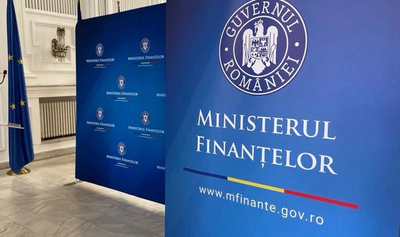


On Friday, the Ministry of Finance published the results of the process of labeling budgetary and fiscal expenditures for 2025, a technical step that ensures the fulfillment of Milestone 123 of the National Recovery and Resilience Plan (PNRR) - "Green budgeting within Component 6 - Energy," according to a statement from the ministry.
The MF notes that this move represents an important step towards alignment with the EU taxonomy for sustainable activities and environmental protection principles.
The interministerial group coordinated by the Ministry of Finance and supported by the Technical Secretariat analyzed and evaluated 624 measures submitted by each chief authorizing officer, applying the green planning methodology established by GEO No. 75/2024 and GD No. 1074/2024.
Following the meeting of the Interministerial Committee on February 19, the latest additions submitted by seven key institutions were analyzed and unanimously approved, including: the Ministry of Transport and Infrastructure; the Ministry of Energy; the Ministry of Agriculture and Rural Development; the Ministry of Development, Public Works, and Administration; the Ministry of Health; the Ministry of Education and Research; and the Ministry of Economy, Digitalization, Entrepreneurship, and Tourism.
Thus, all 624 measures evaluated received a favorable opinion, demonstrating the commitment of state institutions to the "do no significant harm" (DNSH) principle, the statement said.
The report highlights strategic projects that directly contribute to climate change mitigation, including: e-Invoicing programs, Big Data platforms, and the modernization of the National Agency for Fiscal Administration (ANAF), which reduce carbon footprints by eliminating physical bureaucracy; the energy rehabilitation of public buildings (court buildings and administrative buildings) and investments in rail transport; water supply, sewerage, and energy efficiency programs for housing, as well as agricultural waste management.
At the heart of this report are investments in tax administration digitization programs. Strategic programs carried out by the Ministry of Finance, such as e-Invoicing, Big Data platforms, and the modernization of ANAF's IT systems, have been validated as green/favorable measures. They directly reduce the carbon footprint by eliminating physical bureaucracy and optimising financial flows at national level.


A key element is the clarification of the tax treatment for measures with a social impact. According to Annex D, benefits such as tax exemption for pension income below the threshold of 3,000 RON, non-taxation of meal vouchers or holiday vouchers have been classified as neutral. This technical distinction is crucial in order to separate social protection policies from direct climate investments, such as afforestation or water management programs, which are labeled as dark green, the MF emphasizes.
The results of the labeling of the 624 measures, approved unanimously, provide the Ministry of Finance with a modern management tool that not only secures access to financing through the PNRR, but also transforms the state budget into a transparent structure, where each allocation is correlated with long-term sustainability objectives.


























Comentează