





Romania has obtained the Formal Opinion of the Economic and Development Review Committee (EDRC) of the Organization for Economic Co-operation and Development (OECD), according to a press release from the Ministry of Finance.
According to the cited source, the adoption of the Formal Opinion confirms the alignment of Romania's policies and practices, compared with the OECD's best policies and practices in the field of economic development. The EDRC Committee's assessment aimed at analyzing the following key principles: a sound macroeconomic policy framework and a sound financial system, including in the face of economic shocks; structural policies that are compatible with promoting improved economic performance; an efficiently functioning economy and strong institutions that support sustainable and inclusive growth.
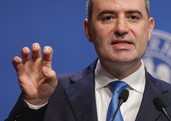
"The Ministry of Finance has recovered a lot in the last 8 months from the arrears in the OECD accession process, so that today we have approved all 3 opinions under the responsibility of the ministry. We are betting that OECD accession will be one of the most important economic moments of 2026, and obtaining the Formal Opinion from EDRC confirms that we are on the right track. This step brings concrete benefits: lower financing costs, increased investor confidence and a more predictable economic framework, with positive effects on the standard of living. Basically, this opinion confirms that Romania has entered a higher echelon of predictability and economic performance," said Finance Minister Alexandru Nazare in a statement.
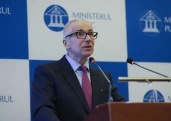
In the context of obtaining this opinion, the Ministry of Finance hosted on Tuesday, in Bucharest, the strategic dialogue event "From Stabilisation to Growth: Balancing Macro-Fiscal Discipline with Productive Relaunch", during which an integrated panel discussion took place, where the Minister of Finance, together with the Secretary of State at the Ministry of Foreign Affairs and the national coordinator for Romania's accession process to the OECD, Luca Niculescu, representatives of the business environment (Concordia, FIC - Foreign Investors Council), as well as the academic environment analyzed, together with OECD experts Katja Schmidt and Pierre Beynet, the macroeconomic context and that of Romania's structural constraints in 2026.
The assessment of Romania took into account the implementation of the recommendations of the two previous Economic Surveys (2022, 2024) and the debate on the draft Economic Survey for Romania, 2026 edition, during the dedicated session in Paris, on January 13, 2026. The Romanian delegation to the EDRC on January 13, 2026 was led by the Minister of Finance, Alexandru Nazare, and included high-level participation from other institutions relevant to the topics included in the Economic Survey: the National Bank of Romania (BNR), the Ministry of Economy, Digitalization, Entrepreneurship and Tourism (MEDAT), the Ministry of Labor, Family, Youth and Social Solidarity (MMFTSS), the Ministry of Environment, Waters and Forests (MMAP).
"The positive result achieved reflects the sustained efforts of the Ministry of Finance as the focal point for the EDRC Committee, carried out in close cooperation with the other institutions involved in the areas covered by the Economic Study in implementing the key recommendations received. The Formal Opinion adopted by the OECD Committee for Economic Analysis and Development marks the completion of Romania's assessment within this format", the Ministry of Finance claims.


The OECD Economic Surveys are periodic analyses of the economies of member and partner countries that take place every two years. Each edition provides a comprehensive analysis of economic developments, with chapters covering the main short- and long-term economic challenges and policy recommendations for addressing them.
The Economic and Development Analysis Committee is one of the 25 sectoral Committees that evaluate Romania in the process of accession to the OECD and which involved the analysis of Romania's policies and practices in relation to the best OECD policies and practices in the field of economic development.
The 2026 edition of the Economic Survey for Romania includes four chapters: macroeconomic developments and public policy challenges; promoting improved labor market participation; strengthening resilience to climate risks; strengthening Romania's competitiveness.
An important chapter of the report focuses on the importance of increasing the competitiveness of the Romanian economy by stimulating innovation, digitalization, developing workforce skills and improving the business environment. Advancing on global value chains, attracting high-value-added investments and supporting small and medium-sized enterprises are identified as key factors for increasing productivity and living standards.
The study also highlights the need to strengthen resilience to climate change through investments in infrastructure, water management, flood protection and increasing insurance against natural disasters, as well as through better coordination of adaptation and mitigation policies.

























Comentează